|
“Change does not occur in a single moment of insight but through a process of stages that a person must consciously and repeatedly work through.”
-- James O. Prochaska & Carlo C. DiClemente (paraphrased)
When James Prochaska and Carlo DiClemente began studying addiction and recovery in the late 1970s, they didn't realize how important this research was going to be, or how much of their lives would be spent on it. In fact, they continued researching and publishing in this field until well into the 21st century. What they discovered through these decades of observation and research was this: Lasting change doesn’t happen in a single leap. It unfolds -- over time -- through a predictable process of mental, emotional, and behavioral
shifts. This process now helps clinicians, counselors, and everyday people understand how real and lasting life-change actually happens. Prochaska (who became one of the most frequently cited psychologists in clinical research) and DiClemente noticed this pattern first in people trying to quit smoking. They went on to confirm it
across behaviors as varied as overeating, substance abuse, exercise adoption, and other health‑related changes. Their Transtheoretical Model of Change -- often called the Stages of Change -- remains to this day one of the most influential frameworks in recovery psychology. It focuses
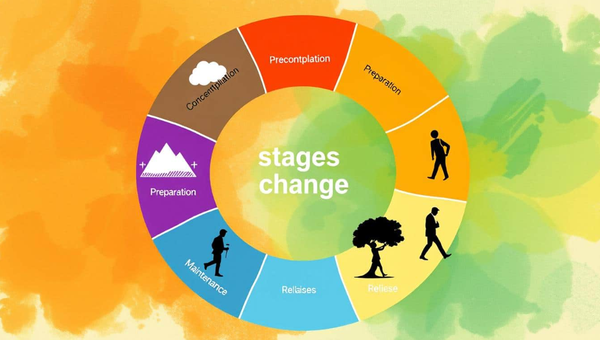
on how a person changes, and defines a near universal process through which this change takes place. Below is an overview of the stages, what each one looks like in real life, and how they show up in different struggles -- from substance addiction to unhealthy eating to compulsive behaviors. 1. Precontemplation: Before You See the Need to ChangeIn this stage, a person does not yet recognize that their behavior is a problem. They may downplay consequences, blame external factors, or insist they have control. This is common in early addiction, and with other bad habits as well. Someone may say, “Yes I know I drink alot. Maybe it's a problem ... I'm not sure." Or "I only overeat when I’m stressed.” or “I can stop using porn any time I want.” Meaningful change
begins with awareness, not action. And often, it takes a long time for this awareness to emerge. For many people, this means honestly facing hard questions about how their behaviors are affecting relationships, work, health, and spiritual well‑being. 2. Contemplation: Recognizing the Problem, But Not Acting YetOnce a person starts to see the negative effects of their behavior, they start weighing change. And it also often takes time to work through this stage. This stage is marked by ambivalence: “I know my drinking is hurting my family, but I like how it calms me.” “I see how my eating affects my energy, but I’m not sure I want to change.” People in this stage might research options, listen to stories of others who’ve changed, and feel conflicted about quitting entirely. Spiritual reflection and conversations with trusted friends can help clarify motivations and prepare the heart for the next step. 3. Preparation: Planning for
ChangeThere's still another step needed before concrete change takes place! In the preparation stage, a person starts actually making specific plans. They might choose a quit date, tell a spouse, or gather support resources. This is where they might take the important step of attending some kind of recovery program or support group. Someone cutting back on compulsive eating might start using a calorie tracker on their phone, and start plannig new meal strategies. Someone pursuing sexual integrity might install accountability software, set specific boundaries, or identify accountability partners. Someone ready to quit drinking might join a 12 Step group. Preparation makes change tangible. It move beyond good intentions into intentional planning and taking specific steps. But getting a new app, adopting a weight loss plan, or joining a group -- these in themselves don't change anything. They just make it possible. 4.
Action: Actively Changing BehaviorThis is where new behavior is (finally!) put into practice. This is when a person starts establishing days of actual sobriety. This is where a person starts consistently saying no to triggers, participating recovery meetings, removing unhealthy food from the home, or praying before taking action when they are triggered by temptation. Robust support systems and coping strategies are critical here because this is the most demanding stage behaviorally. Consistent action over time is where change gets lived -- not just thought about. 5.
Maintenance: Sustaining Change Over TimeOnce someone has consistently practiced a new behavior (typically over months), they enter maintenance. Here the work is less about changing and more about stabilizing change. People in this stage continue accountability, deepen spiritual disciplines, and reinforce new life patterns. My observation is that this is a critical stage in the recovery process, and too many people don't make it through. Over time, they lose enthusiasm and start to drift away from their plans, groups, and commitment to recovery. Think of it as the
difference between losing weight and keeping it off. Increasing research is being done these days on the different experience -- and motivation and action steps -- required for weight loss vs weight loss maintenance. These are two different challenges, and most people fail with maintenance rather than weight loss itself. Think about
it: how many overweight people have tried weight loss programs and successfully lost significant weight ... only to gain it back again? So it is with MANY people in the process of recovery from various kinds of addictions and compulsions. The recoving addict or struggler needs to find ways to consistently implement their changed behavior, even when the initial enthusiasm for life-change starts to wane. In the early stages, there is often external reinforcement. People losing weight see changes on the scale, with how their clothes fit, and sometimes having other people notice and comment on their weight loss. But over time, once the weight
is off, these reinforcements go away. When people stop various kinds of addictive behavior, they start to notice new levels of peace, joy, energy, and self-confidence. They might also get strong positive reinforcement from other people, as their relationships improve. Sometimes they even experience reinforcement in terms of finances and
career development. But after months, this all just becomes a new normal. It's not exciting and encouraging in the way it used to be. Not only that, this stage is also where "life happens." Some new crisis occurs. New busyness and stress starts to pile up. Maybe a job loss, or a move, a relationship conflict, or a health crisis
emerges. At that point, it's all-too-easy for people to turn back to old habits. 6. Relapse: A Normal Part of the JourneyAlthough not one of the original “official” stages, relapse is widely recognized as part of the cycle of change. Slips don’t erase progress; but significant, long term relapse often does. Slips are temporary lapses into old behaviors. When people get up from this temporary failure, and get back into the recovery process, they often
help refine insight and increase readiness for renewed effort. A relapse to old eating patterns, an episode of binge behavior, or a moment of acting out doesn’t mean failure -- it means the change process requires renewed commitment and maybe some changes to one's strategy. Next Steps -- Depending on Your SituationIf Someone You Love Is Struggling:- Evaluate honestly: Which stage does it seem like your loved one is in? Are they ready to change, or are they just talking about it? Are they implementing actions? Are they consistent? It's easy for loved ones of addicts to get frustrated and discouraged, because the process often takes longer than you think it should.
- Listen first: Don’t start with judgment. Hear their experience and help them identify where they are in the change process.
- Encourage gentle reflection: Help them articulate the costs and benefits of change. There's a fine line here. While not pressuring them to do something they are not ready to do, it's also important for you to be honest about how their behavior is hurting you, and consequences if they don't
change.
If YOU Are Struggling- Evaluate honestly: Which stage are you in right now? Are you ready to plan, or are you still wrestling with denial or ambivalence? Are you in the "action" stage, but chronically relapsing? What needs to change?
- Build support: Identify mentors, peers, programs, or
professionals to help you move forward.
- Prepare and act: Establish clear boundaries, set achievable goals, and dedicate your energy to sustainable patterns of change.
If there is one lesson from the Change Model, it's this: Transformation is a
journey, not an event. It's a long process, not a weekend project. Each stage offers its own challenges and victories. Moving deliberately through these stages -- with patience, awareness, and spiritual grounding -- leads to lasting freedom and growth.
|